Project Overview
Project Name: AKASAKA INTERCITY AIR
City: Tokyo
Certification System: LEED v4.1 O+M: Existing Buildings
Certification Date: July 22, 2025
Certification Level: Platinum
Interviewee: Mr. Shota Osame, Nippon Steel Kowa Real Estate Co., Ltd.
Urban Development Division Operations & Technical Department
Operations Management Group I
Concurrent Position:
Corporate Planning Division Sustainability Promotion Office
Group leader
Interviewer: Mr. Junki Koda, GBJ Steering Committee
Koda: Could you please provide an overview and key features of Akasaka Intercity AIR?
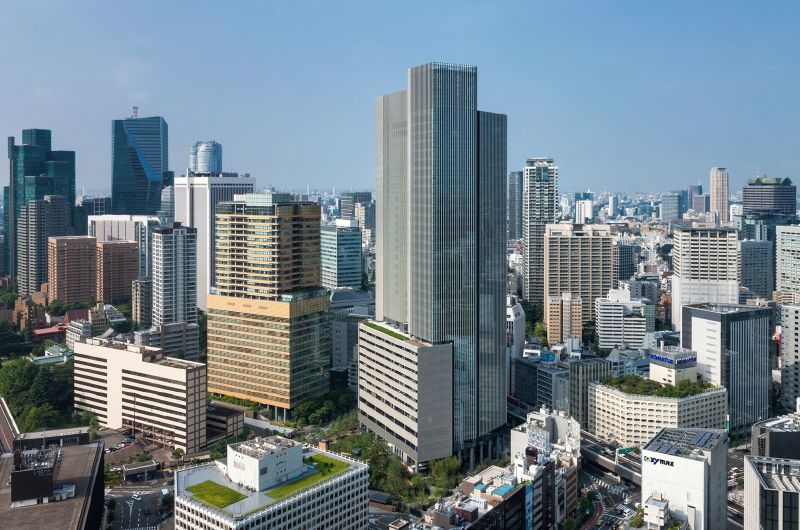
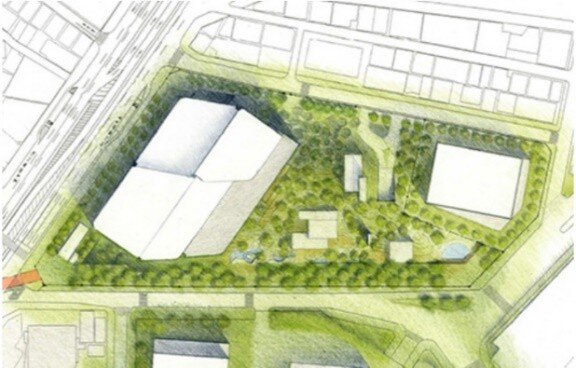
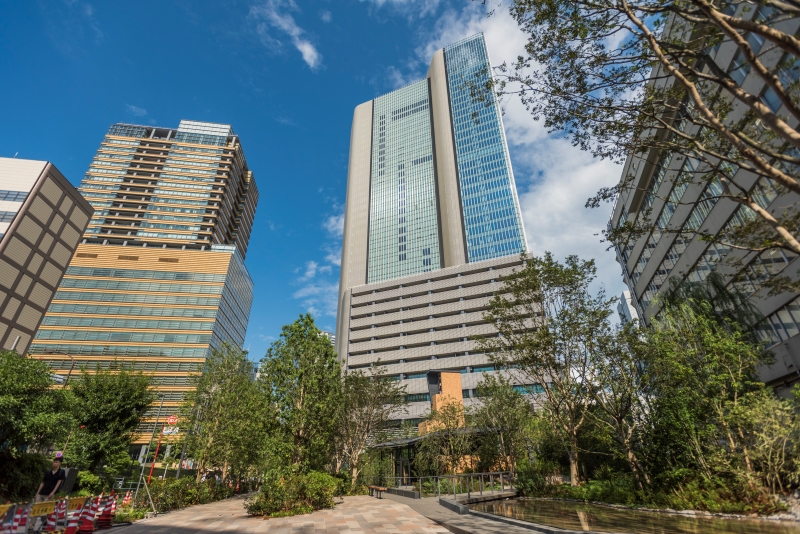
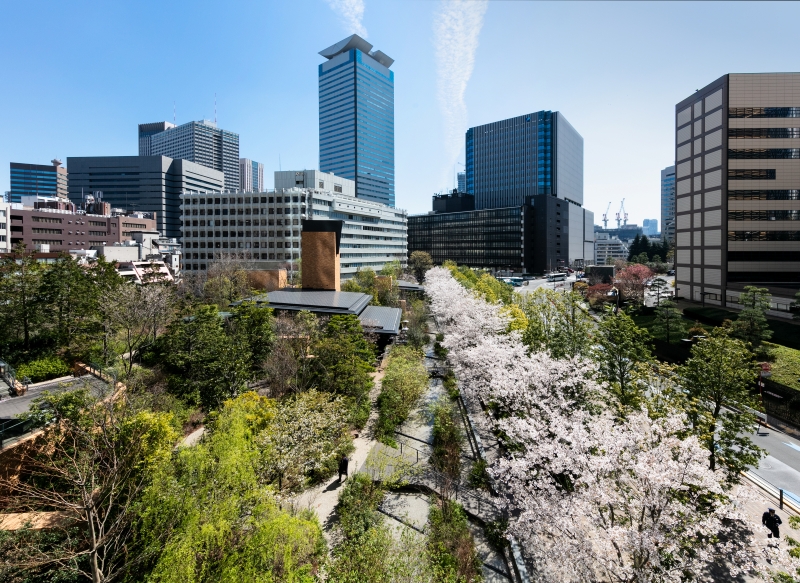
Osame: Akasaka Intercity AIR is a large-scale mixed-use development completed in August 2017 as part of a major urban redevelopment project. The concept was to create a community where everyone—whether working, living, or visiting—can feel safe and comfortable.
Koda: It is indeed a very large-scale facility. Could you share your perspective on the management and operations of such a complex mixed-use development?
Osame: As a mixed-use facility, it combines offices, residential spaces, commercial facilities, and conference areas. Each use has its own needs and operational rules, so unifying and maintaining standards for energy management, cleaning, and security is particularly challenging. We focus on achieving overall optimization while respecting the needs of each user group.
Koda: Could you please introduce the energy management approach in the operation of the facility?
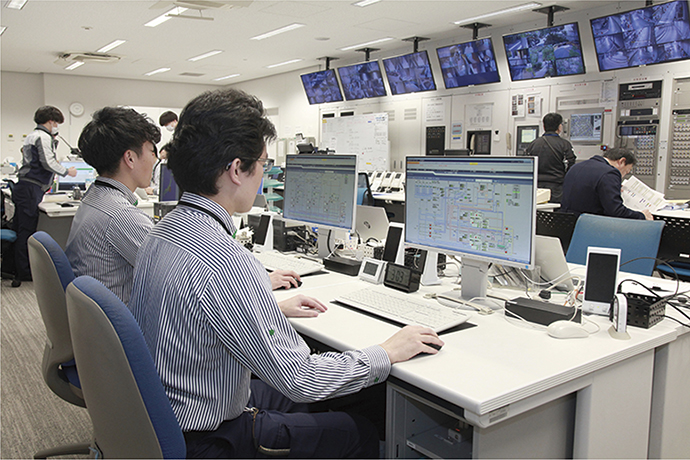
Osame: Since the completion of the facility, we have established an energy management system with our partner companies and hold regular monthly meetings. We continuously examine and implement measures to improve energy efficiency, especially optimizing systems such as air conditioning and lighting.
Koda: Could you share the reasons behind your decision to pursue LEED certification?
Osame: The main reason was the growing demand from tenants who prioritize global standards, since this project is located in an area with a high concentration of foreign companies.
Additionally, with more large-scale office buildings in the city center, competition has intensified. We wanted to create a building that continues to attract tenants, and therefore selected the internationally recognized LEED certification to differentiate the property in terms of energy efficiency, wellness, and sustainability.
Koda: I assume there may be challenges in terms of cost and facility requirements. Could you tell us what ultimately led you to the decision?
Osame: LEED is widely recognized worldwide, and its ability to objectively assess environmental performance is highly appealing. Since this was an O+M certification, it allowed us to evaluate the operational phase and effectively communicate our building management initiatives.
Koda: Does this mean you determined that it was worth pursuing even with the incremental costs involved?
Osame: Yes. It required considerable investment and renovation work, which created substantial challenges. However, we viewed it as a strategic investment that would provide both environmental benefits and long-term economic value. It was worthwhile for the future.
Koda: In practice, pursuing certification is often supported by a consulting company. How did you select your consulting partner?
Osame: We considered several candidates. Beyond their track record with LEED certification and professional expertise, we valued a partner who could work closely with us on site, share challenges from the same perspective, and collaborate with us in finding solutions.
Koda: What challenges or difficulties did you encounter while working with the consulting company?
Osame: Since it is an international certification, the standards and approaches differ from those in Japan. The certification requirements are very detailed, and gathering operational data, planning renovations, and coordinating on-site required substantial time.
Koda: In LEED O+M, which evaluates the environmental performance of existing buildings, energy, water, and waste management are often key scoring areas. Could you share any specific strategies or efforts that contributed to improving these areas?
Osame: For energy, a key factor was our thorough efforts to improve energy efficiency. We hold regular meetings under the energy management framework I mentioned earlier. Regarding waste management, we worked closely with tenants, including holding direct meetings with each tenant, to ensure proper waste separation. These tenant-engagement efforts greatly contributed to improving our score.
Koda: I’ve heard that the renovation work for the smoking room was particularly challenging. Could you share more about that?
Osame: The smoking room had very strict air quality requirements, which meant we needed to make significant revisions. Because the renovation took place while the facility was still fully operational, it was challenging not only in terms of construction costs and scheduling, but also in coordinating closely with the tenants. This made the process quite demanding.
Koda: What are your impressions of LEED’s strengths and weaknesses?
Osame: One of its strengths is that, as an internationally recognized rating system, it enables companies to clearly demonstrate their environmental initiatives. Its weaknesses include the significant cost and time required to achieve certification. Compared with CASBEE, my impression is that awareness and understanding of the value of LEED in Japan are still not yet sufficient.
Koda: As an international certification, I feel LEED sometimes presents challenges, such as required English documentation, limited Japanese-language support, and alignment with Japanese standards such as JIS. What has been your experience?
Osame: As an overseas certification system, LEED reflects certain differences in perspectives. One example is attitudes toward smoking. In many countries, indoor smoking is generally prohibited, while outdoor smoking is widely accepted. Although LEED has addressed smoking for Japanese projects through Alternative Compliance Path (ACP) provisions, other differences remain. I believe that further adapting the standards to better fit local conditions could help support wider adoption of LEED in Japan.
Koda: You mentioned that LEED tends to resonate with foreign companies earlier. Could you elaborate a bit more on that?
Osame: For many foreign companies, LEED certification is often part of their preliminary building selection criteria. While not always the decisive factor, it is sometimes treated as a minimum requirement. Looking ahead, LEED certification may eventually become an expected standard.
Koda: For buildings with environmental certifications, are there cases where developers charge a premium on rents or other fees?
Osame: At present, rental premiums are not applied solely because of environmental certification. However, certification demonstrates that a building is of high quality in terms of environmental performance and functionality, which can make it easier to justify a higher base rent.
Koda: Finally, as the Green Building Japan, we aim to promote the adoption of LEED and other environmental certifications. Could you share a message with our audience?
Osame: As this interview shows, I believe that communicating externally is very important. I have personally learned a great deal from other companies’ case studies, and promoting environmentally responsible facilities helps build momentum for certification and encourages wider adoption.
Koda: Thank you very much. That concludes our interview.
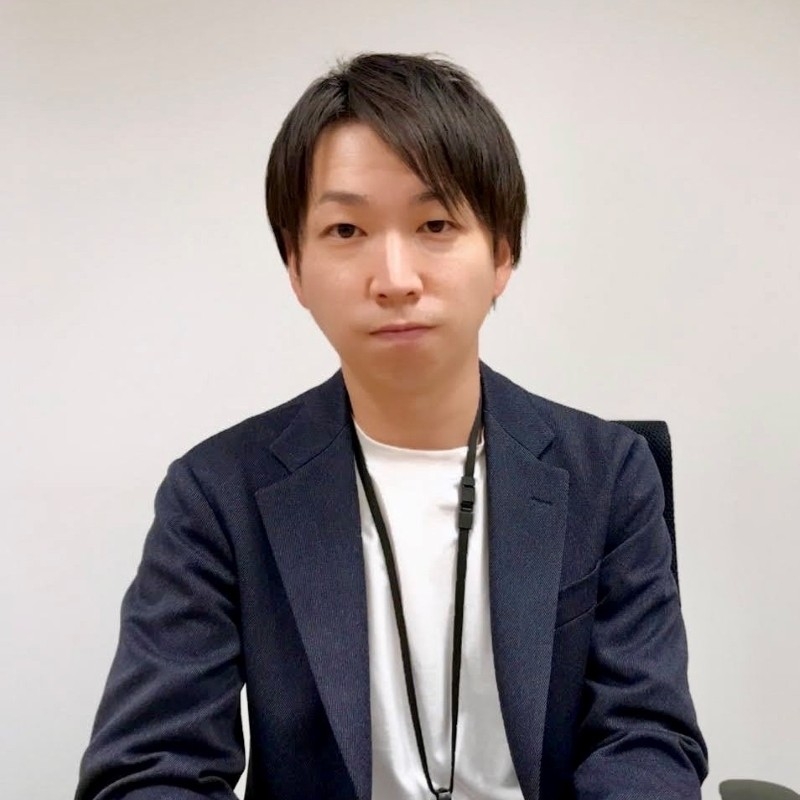
Photo of Shota Osame
日本語版はこちら